Why a Drain Inspection Camera Is Essential for Modern Drain Maintenance
When a drain backs up, the immediate reaction is often to grab a set of drain rods or call someone with a water jetter. Those tools have their place, but they work blind. You push, you spray, and you hope the blockage clears. Sometimes it does. Other times you push the problem deeper, compacting a solid obstruction or damaging an already weakened pipe. That is where a drain inspection camera changes everything. It gives you eyes underground, turning guesswork into a precise diagnosis.
I have spent years working on drainage systems across Essex, London, and the M25 area. I have seen the same mistake repeated: people assume a slow drain means a simple fat or soap clog, when in reality the pipe has collapsed, a root has punched through a joint, or debris has created a hard plug that no amount of jetting will shift. A proper remote inspection would have shown the truth in minutes. Instead, hours are wasted and the problem gets worse.
What a Drain Inspection Camera Actually Does
A drain inspection camera is a waterproof camera head mounted on a flexible push rod, connected to a monitor that shows a live feed. The operator feeds the camera into the pipe through a manhole access point or a cleanout, and watches the interior in real time. The best units also record the footage, so you can review the condition of the pipe later or share it with a property owner or insurance adjuster. This is not a novelty tool. It is the foundation of any serious blocked pipe diagnosis.
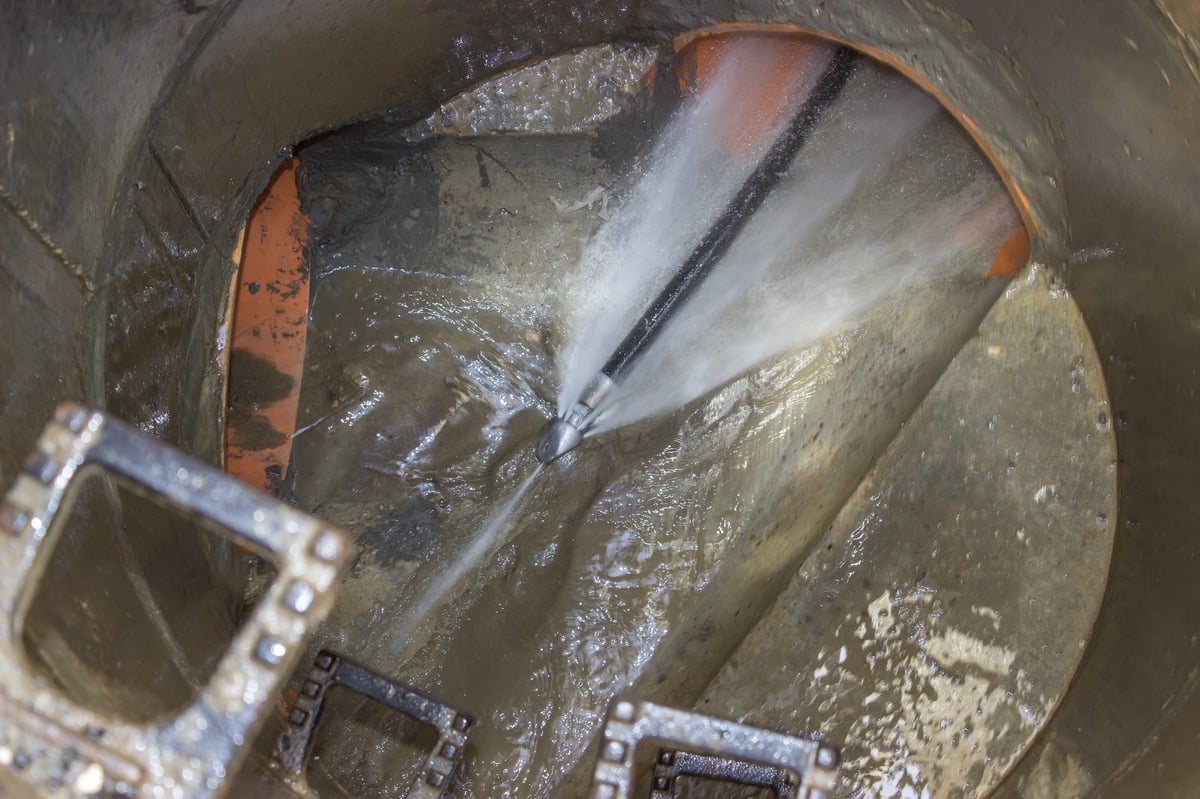
When I use a Rigid drain camera, for example, I can see exactly where the pipe blockage is, what it is made of, and whether the pipe itself is damaged. That information dictates the next step. If the blockage is grease and solids, I might use a water jetter with the right drain cleaning nozzles to break it up. If it is a root mass, I need a cutter head. If the pipe has collapsed, no amount of jetting will work - the section has to be excavated and replaced. Without the camera, I am stabbing in the dark.
Sewer Inspection and Underground Pipe Assessment
Sewer inspection is about more than just finding clogs. It is about understanding the overall health of the property drainage system. Cracks, misaligned joints, bellied sections where water pools, and corrosion from chemicals - all of these issues can lead to blockages or leaks long before they cause a visible problem above ground. An underground pipe assessment using a CCTV drain survey gives a complete picture. It reveals defects that drain rods or a water jetter would never detect.
I once worked on a commercial site in London where the tenant reported recurring backups every few weeks. The landlord had spent thousands on drain unblocking services, but the problem kept coming back. I ran a CCTV drain survey and found that a section of clay pipe had settled, creating a low spot where debris accumulated. The solution was not more cleaning; it was relining the pipe to restore the proper gradient. The camera saved them from throwing money at a symptom instead of the cause.
Locating Drain Blockages Without Digging
One of the most valuable uses of a drain inspection camera is locating drain blockages that are not obvious from the surface. A slow-running sink or a gurgling toilet might indicate a blockage deep in the main line, not in the branch that serves that fixture. By inserting the camera through the nearest manhole access, I can trace the line and find the exact point of the obstruction. This is far more efficient than digging up the garden on a hunch.
Drain tracing equipment, including sondes and transmitters built into some cameras, allows you to pinpoint the location of the camera head from above ground. That means you can mark the spot on the surface with a spray can or a flag, and dig only where necessary. On a job in Essex, the client had a blocked pipe under a concrete driveway. Rather than breaking up the whole slab, we used the drain tracing equipment to locate the blockage within a few inches. We cut a single access hole, cleared the obstruction, and patched it. The job took half a day instead of three, and the client paid a fraction of the usual cost.
Combining the Camera with Other Tools
A drain inspection camera is not a standalone solution. It works best as part of a toolkit that includes drain rods, a water jetter, drain cleaning nozzles, and sometimes chemical treatments. The camera tells you where the problem is and what it looks like. The other tools do the actual clearing. But the sequence matters. I always inspect first, then choose the clearing method, then inspect again to confirm the pipe is clean and undamaged.
For example, after using a water jetter to blast through a grease plug, I will run the camera through again to check that the pipe wall is not coated with residue and that the water is flowing freely. Sometimes the jetter pushes the blockage further down, leaving a clean section but a blocked main. The camera catches that. It also shows whether the drain cleaning nozzles are doing their job or whether you need a different approach.
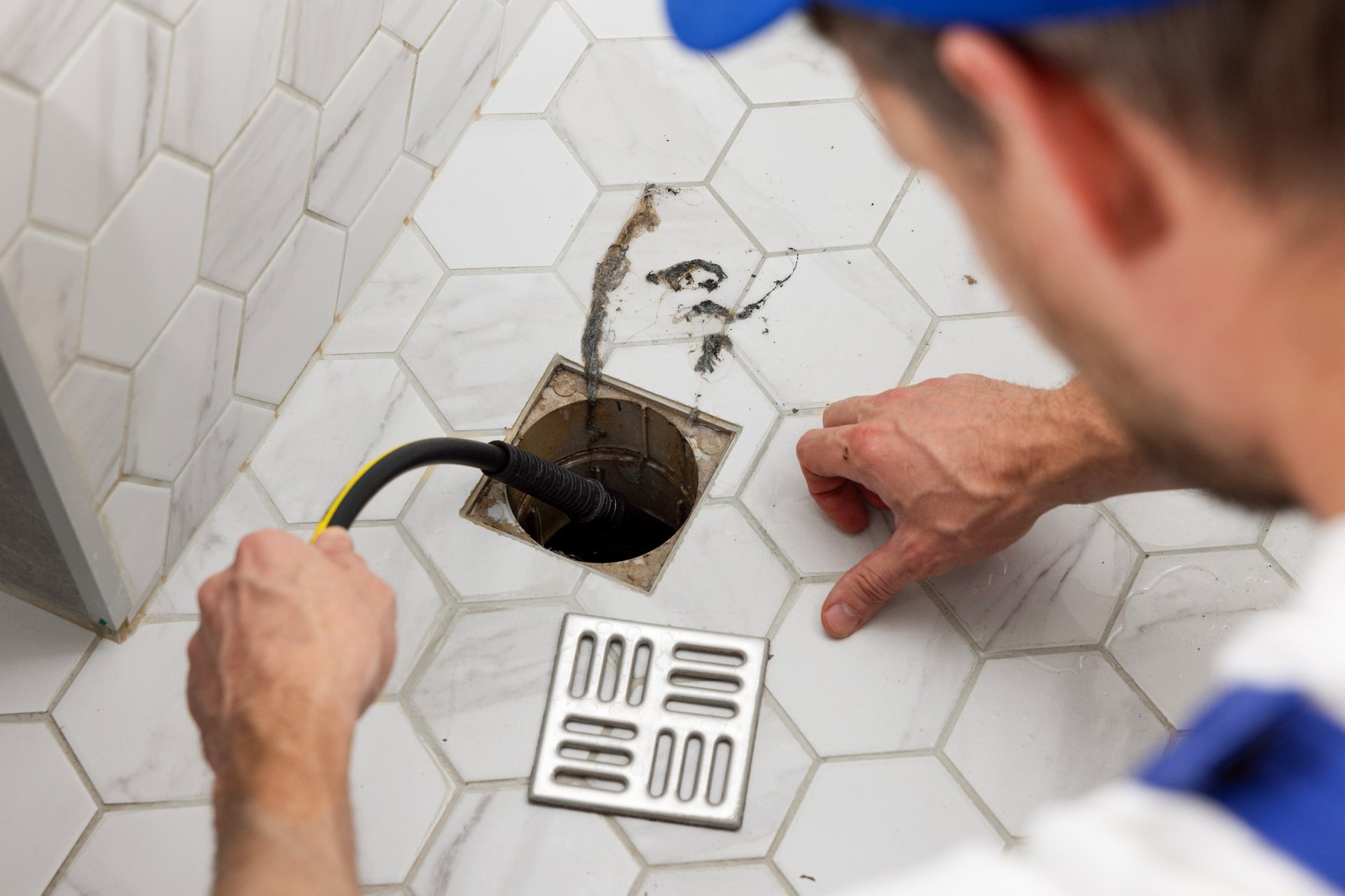
Drain rods are still useful for short, straight runs or for pushing a blockage that is close to the access point. But they cannot navigate bends, and they give no feedback on what they are hitting. A drain inspection camera can see around a 90-degree bend and tell you whether the obstruction is soft or hard. That knowledge saves time and prevents damage to the pipe.
Drain Maintenance and Long-Term Prevention
Regular drain maintenance is cheaper than emergency repairs. A CCTV drain survey every year or two, especially on older properties or those with trees nearby, can catch problems before they become emergencies. Root intrusion, for example, starts small. A single hair root can find its way through a loose joint and then thicken over months, eventually blocking the pipe entirely. A camera inspection sees that root before it causes a blockage. You can then schedule a root-cutting service or repair the joint, rather than waiting for the pipe to fail.
Property drainage systems are an investment. Ignoring them leads to costly repairs, water damage, and health hazards. A drain inspection camera is the single best tool for taking care of that investment. It provides remote inspection capabilities that were once reserved for large municipal systems. Now, the technology is affordable and portable enough for any drainage professional - or a knowledgeable property owner - to use.
For homeowners and businesses in the M25 drainage coverage area, including Essex and London drainage services, the key is to act early. Do not wait until the water is backing up into the basement. Schedule an inspection at the first sign of a slow drain or a strange smell. A no callout charge policy, like the one offered by many local drainage companies, makes it easy to get a professional assessment without worrying about hidden fees.
I have seen too many properties where a simple drain inspection camera check would have saved thousands. Instead, the owner tried a chemical cleaner, then drain rods, then a drain unblocking service with a jetter, and still the problem persisted. By the time they called for a camera inspection, the pipe had cracked under pressure from the repeated clearing attempts. The repair cost ten times what the inspection would have cost.
If you manage a property, whether residential or commercial, make a CCTV drain survey part of your routine maintenance plan. It is the only way to see the true condition of your underground pipes without digging them up. And when you do need a repair, the camera footage gives the contractor a clear picture of what is needed, so they can bring the right tools and get the job done on the first visit.
In the end, a drain inspection camera is not just a diagnostic tool. It is a cost-saving device, a risk reducer, and a way to keep your drainage system running smoothly for years. Whether you are dealing with a simple pipe blockage or planning a full system upgrade, start with a camera. You will be glad you did.